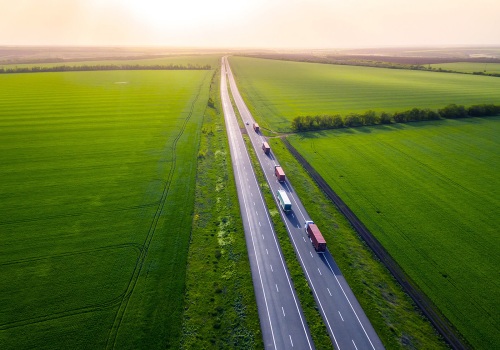
Route planning plays a major role in freight shipping because the path a driver takes can directly affect delivery times, fuel use, vehicle wear, and overall operating costs. Freight companies must consider much more than simply choosing the shortest distance between two locations. Traffic patterns, road restrictions, construction zones, toll roads, weather conditions, and delivery windows can all influence which route is most practical. Careful planning helps drivers avoid unnecessary delays and supports more predictable schedules. When routes are organized in advance, transportation companies can also reduce unnecessary mileage and make better use of available vehicles and drivers.
Meeting Delivery Deadlines
Many freight shipments must arrive within specific delivery windows. Retail inventory, manufacturing materials, food products, medical supplies, and replacement parts may all be time-sensitive. A poorly planned route can cause missed appointments, production delays, or additional storage costs. Transportation providers can use route planning tools to estimate travel times and identify potential delays before a vehicle leaves. Similar planning principles are important across transportation services, including providers such as Utah Luxury Transportation Network, where coordinating routes and schedules can help ensure passengers or cargo reach their destinations efficiently. For freight companies, dependable scheduling can strengthen relationships with customers who rely on consistent delivery performance.
Reducing Fuel Consumption
Fuel is one of the largest operating expenses in freight transportation, making efficient route selection especially important. Routes involving heavy congestion, frequent stops, steep terrain, or unnecessary detours can increase fuel consumption. Choosing a slightly longer highway route may sometimes be more efficient than taking a shorter road with constant traffic or difficult driving conditions. Freight companies can also organize multiple deliveries in a logical sequence to reduce backtracking. Over time, minimizing unnecessary mileage can contribute to meaningful savings while also reducing the environmental impact associated with transportation.
Accounting for Vehicle Restrictions
Not every road is suitable for every freight vehicle. Large trucks may face restrictions involving bridge heights, weight limits, narrow roads, residential zones, or hazardous-material regulations. Drivers must know these restrictions before beginning the trip to avoid unsafe situations or time-consuming detours. Route planning should consider the truck's height, weight, length, and cargo type. Specialized freight may require additional permits or approved routes. Reviewing these requirements in advance allows drivers to stay compliant and reduces the chance of becoming stuck on an unsuitable roadway.
Preparing for Traffic and Weather
Traffic and weather conditions can change quickly, especially during long-distance transportation. Heavy rain, snow, accidents, road closures, and construction can significantly affect travel times. Route planning allows freight companies to develop alternate options before problems occur. Dispatchers may monitor conditions throughout the trip and communicate updated directions to drivers when necessary. Having backup routes available can help prevent minor disruptions from becoming major delivery delays.
Coordinating Multiple Stops
Freight routes often involve several pickups and deliveries rather than a single destination. Determining the most efficient order for these stops can save significant time. Delivery schedules should account for customer operating hours, unloading requirements, vehicle capacity, and geographic location. Organizing stops logically helps drivers avoid repeatedly traveling through the same areas. It can also improve vehicle utilization by ensuring that cargo is loaded and unloaded in an efficient sequence.
Supporting More Reliable Freight Operations
Effective route planning contributes to nearly every part of freight shipping, from controlling costs to meeting customer expectations. It helps transportation companies manage fuel consumption, comply with road restrictions, respond to changing conditions, and coordinate complex delivery schedules. Technology can make this process easier by providing real-time traffic information, route optimization, and vehicle tracking. However, successful freight planning still requires careful judgment and preparation. By evaluating routes before departure and adapting when conditions change, freight companies can reduce delays, improve efficiency, and provide more dependable transportation services.