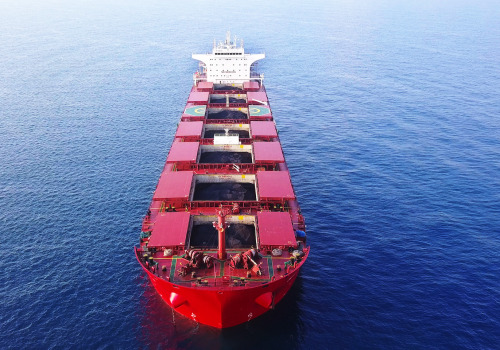
Cleanup projects often involve much more than simply removing debris from a property. Large-scale cleanouts, construction projects, disaster recovery efforts, industrial demolitions, and environmental restoration operations all depend on efficient transportation systems to keep work moving forward. One of the most important components supporting these operations is freight shipping. Freight transportation allows waste materials, equipment, recyclable debris, and supplies to move efficiently between job sites, disposal facilities, processing centers, and recycling plants. Without reliable freight logistics, many cleanup projects would experience delays, overcrowded workspaces, and significant operational challenges that could increase costs and slow overall progress.
As cleanup operations continue growing in scale and complexity, freight shipping has become essential for maintaining organized workflows and supporting continuous debris removal. Efficient transportation networks help ensure that materials are moved quickly and safely while allowing crews to focus on active cleanup efforts rather than dealing with logistical bottlenecks. Whether through trucking, rail systems, or intermodal freight networks, transportation plays a major role in helping cleanup projects remain productive and manageable.
Keeping Job Sites Clear and Productive
One of the biggest ways freight shipping supports cleanup projects is by helping keep job sites clear of accumulating debris. Construction sites, demolition projects, and disaster recovery zones can generate large amounts of waste within short periods of time. If debris is not removed consistently, it can slow work progress, create safety hazards, and make operations far more difficult to manage.
Freight transportation systems allow cleanup crews to remove materials regularly and transport them to appropriate disposal or recycling facilities. This continuous movement helps maintain safer and more organized worksites while improving productivity for contractors and cleanup teams. Efficient hauling schedules prevent debris from piling up and interfering with equipment access, worker movement, or project timelines.
For large-scale projects involving heavy materials such as concrete, metal, wood, or industrial waste, freight shipping provides the capacity needed to move significant volumes efficiently. Rather than relying solely on smaller local transportation methods, freight systems help support larger operational demands and long-distance disposal needs.
Supporting Disaster Recovery and Emergency Cleanup
Freight shipping becomes especially important during emergency cleanup and disaster recovery situations. Storm damage, floods, wildfires, industrial accidents, and other emergencies often create enormous amounts of debris that must be removed quickly to restore safety and begin rebuilding efforts. Freight transportation networks help communities respond more efficiently by moving damaged materials out of affected areas and delivering essential equipment or supplies into cleanup zones.
In many disaster recovery operations, local disposal facilities may quickly reach capacity due to the sudden increase in debris volume. Freight shipping helps solve this problem by transporting waste materials to regional or out-of-state processing centers capable of handling larger loads. This flexibility allows cleanup operations to continue progressing without becoming overwhelmed by local limitations.
Freight systems also support the delivery of heavy machinery, dumpsters, generators, and construction materials needed during recovery projects. Coordinated transportation helps ensure crews have the equipment necessary to maintain continuous operations throughout the cleanup process.
Companies such as Trinity Hauling contribute to these efforts by supporting debris removal and hauling services that help maintain efficient cleanup workflows for residential, commercial, and construction projects alike.
Improving Waste Management and Recycling Efficiency
Modern cleanup operations increasingly prioritize recycling and responsible waste management alongside basic debris removal. Freight shipping plays an important role in supporting these goals by transporting recyclable materials to specialized facilities that may not be located nearby. Construction debris, scrap metal, wood waste, cardboard, and industrial materials often require processing at designated recycling centers capable of handling high-volume loads.
Without efficient freight transportation, many recyclable materials would be more difficult or expensive to process properly. Freight systems help expand access to recycling infrastructure while reducing strain on local disposal facilities. This contributes to more sustainable cleanup operations and supports broader environmental management efforts.
Freight logistics also improve operational planning by allowing cleanup companies to coordinate disposal schedules, monitor transportation timelines, and manage multiple project sites more effectively. Advanced tracking systems and transportation software help companies optimize routes, reduce delays, and improve communication throughout the cleanup process.
Supporting Large-Scale Construction and Demolition Projects
Construction and demolition projects often rely heavily on freight shipping to maintain progress. As buildings are demolished or renovated, debris removal must occur continuously to make room for ongoing work. Freight transportation helps move waste materials offsite efficiently while also delivering new construction supplies needed for rebuilding phases.
This constant movement of materials is essential for maintaining project schedules and minimizing downtime. Delays in debris removal can disrupt multiple stages of construction, increase labor costs, and create unnecessary complications for contractors and project managers.
Freight systems also provide flexibility for handling oversized equipment or specialty materials that require careful transportation planning. Whether transporting steel beams, heavy machinery, or demolition debris, freight logistics help support smooth coordination between cleanup and construction activities.
The Future of Freight-Supported Cleanup Operations
As urban development, infrastructure projects, and environmental cleanup efforts continue expanding, freight shipping will remain one of the most important factors supporting efficient cleanup operations. Reliable transportation networks allow cleanup crews to maintain safer worksites, improve waste management practices, and keep projects moving forward without major disruptions.
By connecting local hauling services, disposal facilities, recycling centers, and construction operations, freight shipping creates the logistical foundation necessary for large-scale cleanup success. Its role in supporting organized, efficient, and scalable debris management will continue growing as industries place greater emphasis on operational efficiency, sustainability, and long-term infrastructure development.