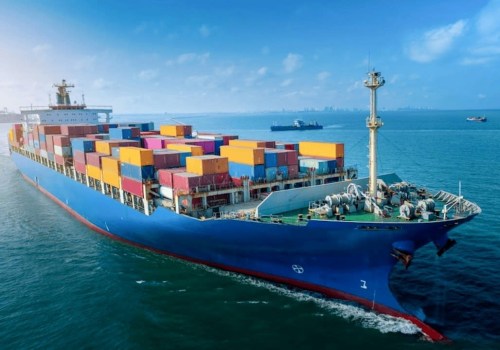
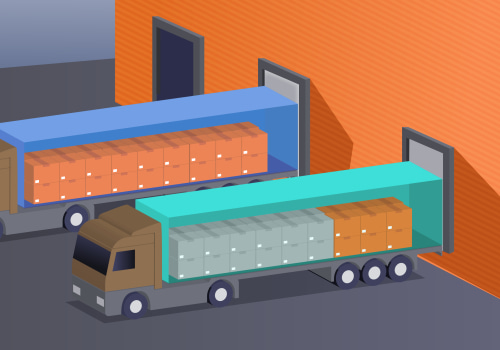
Freight logistics is frequently viewed as an operational function focused on moving products from one location to another. Executive-level business planning, on the other hand, is often associated with strategy, growth initiatives, financial forecasting, and long-term organizational goals. At first glance, these two areas may appear to operate independently. However, a closer examination reveals a strong connection between them. In many organizations, freight logistics plays a critical role in shaping strategic decisions, influencing profitability, and supporting long-term business objectives.
Executives are responsible for making decisions that affect every aspect of a company's future. These decisions often involve expansion into new markets, launching products, managing supplier relationships, controlling costs, and improving customer satisfaction. Each of these initiatives relies heavily on the organization's ability to move goods efficiently and reliably. As a result, freight logistics is no longer viewed solely as a back-office function but as a strategic component that directly impacts business performance.
When executives evaluate growth opportunities, transportation capabilities often become a key consideration. A company may identify a promising new market, but success depends on whether products can be delivered efficiently and cost-effectively. Freight logistics helps determine the feasibility of expansion plans by providing insight into transportation costs, transit times, inventory requirements, and supply chain risks.
Managing Risk Through Logistics Planning
One of the most important responsibilities of executive leadership is managing risk. Supply chain disruptions, transportation delays, labor shortages, and fluctuating fuel costs can all affect business operations. Freight logistics professionals provide critical information that helps executives identify vulnerabilities and develop contingency plans.
For example, companies that rely on a single transportation route or supplier may face significant challenges if unexpected disruptions occur. Executive teams often work closely with logistics managers to diversify transportation options, establish alternative distribution channels, and improve operational resilience. These efforts help protect revenue streams and maintain customer confidence during periods of uncertainty.
The growing complexity of global supply chains has further strengthened the relationship between freight logistics and executive planning. Decisions regarding sourcing strategies, inventory management, and market expansion frequently require a detailed understanding of transportation capabilities and constraints. Logistics data has become an important resource for leaders seeking to make informed strategic decisions.
Supporting Business Growth and Customer Expectations
Customer expectations continue to evolve, placing greater pressure on organizations to deliver products quickly and reliably. Executive teams understand that transportation performance can significantly influence customer satisfaction and brand reputation. Delayed shipments, inventory shortages, and inconsistent service can affect both revenue and long-term customer loyalty.
Freight logistics helps businesses meet these expectations by supporting efficient operations and improving visibility throughout the supply chain. By aligning transportation strategies with business goals, organizations can enhance service levels while maintaining cost control. This alignment enables companies to compete more effectively in increasingly demanding markets.
Interestingly, similar principles apply to service-oriented transportation sectors. Companies such as Blue Sky Black Limo Service demonstrate how careful planning, reliability, and attention to logistics contribute to successful outcomes. Whether coordinating executive travel or managing freight movements, transportation strategies often require the same commitment to organization, communication, and operational excellence.
The Strategic Value of Logistics Leadership
The connection between freight logistics and executive-level business planning continues to grow stronger as organizations recognize the strategic importance of supply chain performance. Logistics decisions influence everything from profitability and customer satisfaction to market expansion and risk management. What was once considered a purely operational function has become a key contributor to overall business strategy.
As companies navigate increasingly competitive and interconnected markets, executives rely on logistics insights to guide important decisions. Freight transportation affects product availability, operational efficiency, and financial performance, making it an essential consideration in long-term planning. The hidden connection between logistics and executive leadership is not simply about moving goods—it is about creating the foundation that allows businesses to grow, adapt, and succeed in a rapidly changing environment.