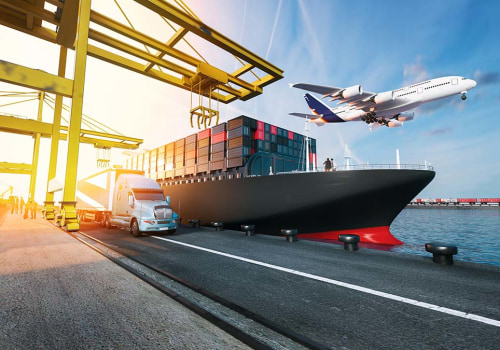
Freight shipping plays a crucial role in the construction industry, particularly when it comes to managing the removal and transportation of construction waste. Building projects, renovations, and demolition work generate significant amounts of debris that must be moved efficiently from job sites to recycling centers, transfer stations, or disposal facilities. Materials such as concrete, wood, drywall, metal, and insulation accumulate quickly during construction activities, making organized waste logistics essential for maintaining a safe and productive work environment. Freight shipping systems allow contractors to move large volumes of these materials over longer distances, ensuring that debris does not accumulate on job sites and disrupt project timelines. By coordinating transportation schedules and freight capacity, construction teams can maintain a steady flow of materials in and out of the work area.
The Complexity of Construction Waste Logistics
Removing construction waste involves much more than simply hauling debris away from a site. Logistics planning must account for multiple factors, including the type of waste materials, their weight, transportation routes, and the appropriate disposal or recycling facility. Some materials require specialized handling, while others can be separated for recycling and repurposing. Construction managers often work closely with waste removal providers and freight companies to ensure that debris is sorted, loaded, and transported in compliance with local regulations. Proper logistics planning helps minimize delays and ensures that waste removal keeps pace with ongoing construction work. This coordinated process allows contractors to focus on building progress while waste management systems operate smoothly in the background.
On-Site Waste Collection and Preparation
Before construction debris can be transported through freight shipping networks, it must first be collected and organized at the job site. Contractors typically rely on large containers designed to hold heavy and bulky materials generated during construction or demolition. These containers allow workers to dispose of debris throughout the workday without disrupting ongoing activities. Once the containers reach capacity, they can be removed and transported to transfer facilities where materials are sorted and prepared for long-distance shipping. Services such as Ana's Dumpster Rental provide an efficient solution for managing debris collection at the local level, ensuring that construction sites remain organized and safe while waste is gathered for transportation through larger freight systems.
Freight Transportation and Environmental Efficiency
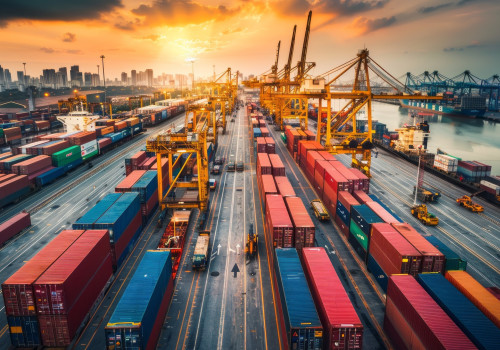
Freight shipping offers several advantages when it comes to handling large quantities of construction waste. One of the most significant benefits is its ability to transport bulk materials efficiently over long distances. Large freight vehicles or rail systems can move substantial loads in a single trip, reducing the number of smaller transport runs that might otherwise be required. This efficiency not only saves time and operational costs but can also help reduce fuel consumption and emissions associated with transportation. Additionally, freight logistics often support recycling initiatives by delivering construction debris to facilities equipped to process reusable materials. Metals, wood, and concrete can often be repurposed into new building products, helping reduce waste and conserve natural resources.
Supporting the Construction Industry Through Organized Waste Removal
The success of modern construction projects depends on effective waste management strategies that keep job sites clear and organized. Freight shipping and waste logistics systems provide the infrastructure needed to transport debris safely and responsibly while supporting project timelines. By combining local collection services with large-scale freight transportation, construction companies can ensure that waste materials are handled efficiently from the moment they are generated to their final destination. This coordinated process not only helps maintain safe working conditions but also contributes to more sustainable construction practices. As building projects continue to grow in scale and complexity, the role of freight shipping in construction waste removal will remain an essential part of keeping the industry moving forward.