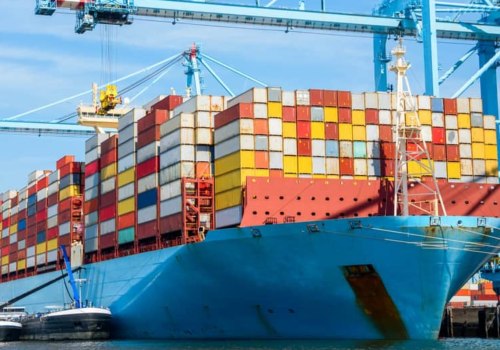
Freight shipping serves as the backbone of modern logistics, enabling goods to move efficiently across cities, countries, and continents. From raw materials transported to manufacturing plants to finished products delivered to retail shelves, freight networks keep supply chains functioning smoothly. As consumer demand grows and e-commerce accelerates, businesses are under increasing pressure to optimize transportation routes, reduce delivery times, and manage costs effectively. Freight shipping—whether by truck, rail, air, or sea—plays a central role in meeting these demands while supporting economic growth and industrial expansion.
The efficiency of freight systems directly impacts how companies structure their operations. Reliable shipping allows businesses to adopt lean inventory models, reduce warehouse congestion, and strategically position goods closer to end users. This interconnected network between transportation and storage reshapes how property is utilized in both urban and regional markets.
Freight Shipping and Strategic Property Use
Modern logistics planning goes beyond transportation alone; it also influences how commercial and industrial properties are developed and managed. Distribution centers, fulfillment hubs, cross-docking facilities, and storage yards are increasingly located near major freight corridors to minimize transit times. Proximity to highways, rail lines, and ports enhances operational efficiency and lowers transportation costs.
As freight volumes increase, property owners are rethinking how space is allocated. Large parcels of land once used solely for warehousing are now being transformed into multi-use logistics hubs that combine shipping, staging, and storage capabilities. Flexible layouts allow businesses to store goods temporarily while coordinating outbound freight schedules. In regions where land availability is limited, shared-use storage spaces offer practical solutions for companies managing oversized assets or seasonal inventory. For example, facilities such as A-1 RV AND BOAT STORAGE illustrate how adaptable storage environments can complement freight operations by providing secure space for large vehicles and equipment awaiting transport or redistribution.
Enhancing Supply Chain Resilience
Freight shipping also strengthens supply chain resilience by connecting properties across vast geographic areas. During disruptions—such as weather events, labor shortages, or unexpected demand spikes—efficient freight networks enable businesses to reroute shipments and reposition inventory quickly. This agility reduces downtime and prevents costly delays.
Property utilization strategies increasingly reflect this need for flexibility. Instead of centralizing all inventory in one massive warehouse, companies distribute goods across multiple regional facilities connected by dependable freight routes. This decentralized approach reduces risk while maintaining service reliability. Storage properties near freight hubs become critical assets in this model, serving as buffer zones that absorb fluctuations in supply and demand.
Sustainability and Future-Focused Logistics
As environmental considerations gain importance, freight shipping and property utilization strategies are evolving together. Rail freight and optimized trucking routes reduce fuel consumption, while strategically located storage facilities minimize unnecessary transit miles. Businesses are investing in energy-efficient warehouses, smart inventory tracking systems, and integrated logistics software to streamline operations further.
The future of logistics lies in the seamless integration of freight shipping and intelligent property use. By aligning transportation networks with adaptable storage solutions, companies can improve efficiency, reduce costs, and support long-term growth. Freight shipping is no longer just about moving goods—it is about strategically connecting transportation infrastructure with dynamic property utilization to create resilient, scalable supply chains that meet the demands of a rapidly changing global marketplace.