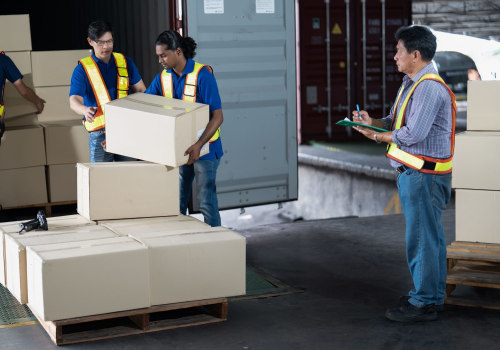
Freight shipping is the driving force behind modern supply chains, enabling raw materials, finished goods, and essential products to move efficiently across local, regional, and global markets. Whether by truck, rail, air, or sea, freight systems ensure that manufacturers receive materials on time and retailers keep shelves stocked. As supply chains become more responsive and customer expectations for fast delivery increase, businesses depend heavily on reliable freight networks to maintain operational continuity. This steady movement of goods does more than sustain commerce—it also shapes demand for flexible property solutions in surrounding communities.
When freight activity increases in a region, it often signals economic growth. Distribution centers, light manufacturing facilities, and last-mile delivery hubs tend to cluster near transportation corridors. These developments bring employment opportunities and stimulate small business formation, both of which contribute to rising demand for adaptable storage options.
Inventory Flow and Flexible Storage Needs
One significant trend in supply chain management is inventory decentralization. Instead of storing all goods in one large warehouse, many companies distribute inventory across multiple smaller locations to reduce risk and shorten delivery times. Freight shipping makes this possible by maintaining predictable routes between regional hubs.
Small business owners, contractors, and independent retailers frequently benefit from this model. They may receive shipments through freight carriers but lack the need—or budget—for expansive warehouse space. Self storage facilities provide a practical alternative, offering secure units that can serve as mini-distribution points. For example, a facility like All Locked Up can support entrepreneurs who need temporary storage for inventory arriving via freight. This allows businesses to scale operations without committing to long-term commercial leases, keeping overhead manageable while maintaining supply chain flexibility.
Economic Ripple Effects on Local Storage Markets
Freight shipping not only supports commercial enterprises but also drives residential mobility. As transportation hubs expand, workers relocate for employment opportunities tied to logistics, manufacturing, or distribution sectors. These transitions often create demand for temporary storage during moves, home renovations, or housing changes.
In addition, contractors working on freight-related infrastructure projects may require short-term storage for tools and materials. Self storage facilities near active freight corridors can experience steady occupancy due to this blend of commercial and residential demand. The presence of strong shipping networks effectively anchors local economies, creating consistent activity that supports storage facility growth.
Building Long-Term Market Resilience
Freight shipping also contributes to long-term resilience within the self storage market. Because transportation infrastructure tends to be stable and long-lasting, regions connected to major freight routes often maintain steady commercial activity even during broader economic fluctuations. Storage facilities in these areas benefit from diversified clientele, including business operators managing inventory cycles and residents adjusting to evolving living arrangements.
As supply chains continue to evolve—embracing faster delivery expectations and more flexible distribution models—the relationship between freight shipping and storage demand will likely strengthen. Self storage facilities positioned near transportation corridors become valuable extensions of the logistics ecosystem, offering scalable space that supports both business continuity and community growth.
Ultimately, freight shipping fuels supply chains, and in doing so, it indirectly sustains demand for nearby self storage facilities. This interconnected dynamic highlights how transportation networks and adaptable property solutions work together to support modern economic activity.