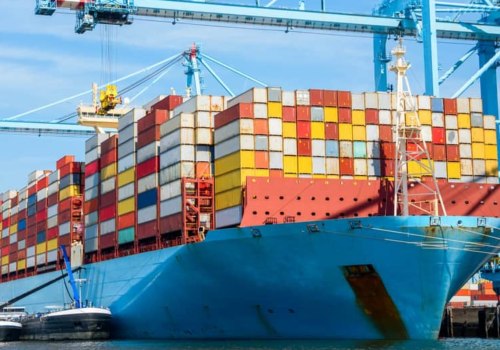
Freight shipping plays a foundational role in shaping regional economies and commercial development patterns. Major transportation corridors—whether highways, rail lines, or intermodal hubs—act as economic lifelines that attract manufacturers, distributors, and retail operations. As goods move efficiently through these networks, businesses cluster near reliable freight access to reduce transportation costs and improve delivery timelines. This concentration of activity creates ripple effects across property markets, including increased demand for flexible space solutions such as self storage facilities. Understanding freight patterns is therefore a critical component of smart site selection for storage development.
When freight shipping activity expands in a region, small and mid-sized businesses often follow. Contractors, suppliers, and independent distributors may not require large-scale warehouses, yet they still need accessible storage to manage fluctuating inventory levels. A self storage facility positioned near active freight routes can capture this demand effectively.
Identifying Strategic Locations Near Transportation Corridors
Smart site selection begins with analyzing proximity to freight infrastructure. Properties located near major highways or rail access points benefit from visibility, accessibility, and steady traffic flow. Easy ingress and egress for trucks and trailers enhance convenience for commercial customers who transport goods frequently. Wide drive aisles and ground-level units further support efficient loading and unloading.
A facility like Airway Heights Mini-Storage illustrates how strategic positioning near transportation networks can enhance long-term viability. By situating storage in areas influenced by freight movement, developers align their investment with consistent commercial activity. Businesses receiving bulk shipments can store surplus materials nearby, while entrepreneurs operating along shipping corridors gain a convenient staging location for products awaiting distribution.
Supporting Commercial and Residential Growth
Freight shipping does more than move goods—it stimulates job creation and residential expansion. As logistics companies establish operations near transportation hubs, employment opportunities increase. Workers relocating to these areas often require transitional storage during moves, renovations, or housing adjustments. This dual demand—commercial and residential—strengthens occupancy rates for self storage facilities located in freight-connected communities.
Moreover, infrastructure improvements tied to freight expansion frequently lead to broader real estate development. Retail centers, service providers, and housing projects emerge to support growing populations. Storage facilities positioned within this ecosystem benefit from diversified clientele, reducing reliance on a single market segment.
Evaluating Long-Term Investment Stability
Freight corridors typically represent long-term infrastructure commitments, providing stability for surrounding property markets. Rail lines and interstate highways are unlikely to be relocated, making them reliable anchors for site planning. Investors who evaluate freight patterns before developing storage properties gain insight into future economic activity and potential growth trajectories.
However, smart site selection also requires balancing accessibility with neighborhood compatibility. Facilities should be close enough to transportation routes to serve commercial users efficiently, yet positioned thoughtfully to integrate with surrounding communities. Security features, clear signage, and organized layouts enhance both usability and neighborhood appeal.
Ultimately, freight shipping and site selection for self storage facilities are closely intertwined. By analyzing transportation networks and economic trends, developers can position storage properties in areas poised for sustained activity. Aligning investment strategies with freight-driven growth ensures that storage facilities remain adaptable, resilient, and responsive to evolving market demands.