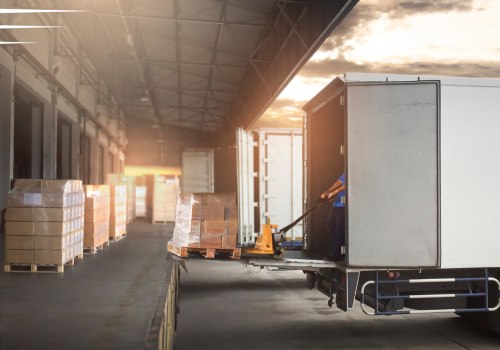
Freight shipping plays a vital role in modern commerce, allowing businesses to move products, equipment, raw materials, and inventory across cities, states, and even countries. Whether companies rely on trucking, rail, air freight, or ocean shipping, transportation is often viewed as the primary logistical challenge. However, one aspect that receives far less attention is what happens before shipments leave and after they arrive. In many situations, freight shipping becomes significantly more effective when paired with self-storage solutions. While these two services are often considered separately, combining them can provide businesses with greater flexibility, improved organization, and enhanced operational efficiency.
Many companies experience timing mismatches between shipping schedules and actual business needs. Products may arrive earlier than expected, customer demand may fluctuate, or facilities may not yet be prepared to receive large shipments. Without a suitable storage strategy, businesses can quickly face overcrowding, disorganization, and unnecessary operational stress. This is where self-storage becomes an important complement to freight shipping activities.
Creating Flexibility in the Supply Chain
One of the greatest advantages of combining freight shipping with self-storage is the flexibility it provides within the supply chain. Freight carriers operate on specific schedules, routes, and delivery windows. Businesses often have limited control over exact arrival times, especially when shipments involve multiple transportation stages.
Self-storage facilities can serve as temporary holding locations for inventory that is not immediately needed. Instead of rushing to distribute products upon arrival, companies can store inventory securely until demand requires it. This approach reduces pressure on warehouse staff and creates opportunities for more strategic inventory management.
For seasonal businesses, this flexibility is particularly valuable. Retailers, event companies, and service providers often receive large shipments months before products are needed. Having access to supplemental storage allows these businesses to prepare for peak seasons without overwhelming their primary operating spaces.
Improving Inventory Management
Inventory management becomes increasingly complex as businesses grow. Freight shipments often arrive in bulk quantities, which may exceed the available space in offices, retail stores, or smaller warehouses. Rather than cluttering work areas with excess inventory, companies can use self-storage facilities to organize products more effectively.
Storage units can be used to separate inventory by category, season, location, or project. This level of organization makes it easier to track stock levels, fulfill orders, and prepare for future shipments. Businesses that maintain clear inventory systems often experience fewer errors, improved productivity, and better customer service outcomes.
By integrating storage solutions into their freight logistics plans, organizations gain greater control over how inventory is received, stored, and distributed.
Supporting Growth Without Major Overhead Costs
Business expansion frequently requires larger inventory volumes and increased shipping activity. However, investing in larger warehouse facilities or additional commercial space can be expensive and may not always be necessary. Self-storage offers a scalable alternative that allows businesses to increase storage capacity without committing to significant long-term expenses.
Many organizations incorporate facilities such as Muncie Yorktown Self Storage (muncieyorktownstorage.com) into their logistics strategies to create additional storage capacity during periods of growth. This approach enables businesses to adapt quickly to changing operational needs while maintaining financial flexibility.
A Strategic Partnership for Efficiency
Freight shipping and self-storage may seem like separate services, but together they create a powerful logistical partnership. Freight transportation ensures products move efficiently through the supply chain, while self-storage provides the flexibility needed to manage inventory effectively once shipments arrive. The combination helps businesses navigate fluctuating demand, reduce operational bottlenecks, and improve organization.
As supply chains continue to evolve, companies that embrace both transportation and storage solutions often gain a competitive advantage. By viewing storage as an extension of their freight strategy rather than an afterthought, businesses can build more resilient operations capable of adapting to growth, market changes, and future opportunities. In many cases, the true value of freight shipping is fully realized only when it is supported by a well-planned storage solution.