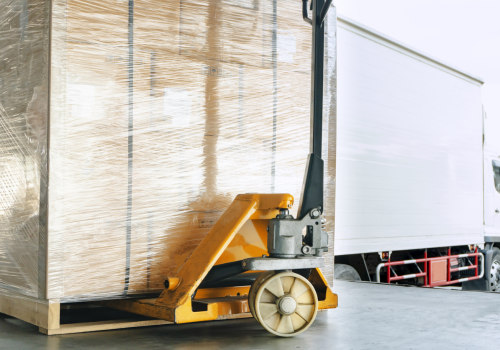
Freight shipping plays a vital role in the success of businesses that rely on efficient movement of goods across regions and markets. Whether transporting raw materials, finished products, or bulk inventory, freight services provide the backbone of supply chain operations. For growing businesses, having access to reliable freight shipping ensures that products reach their destinations on time while maintaining cost efficiency. This is particularly important in competitive industries where delays or disruptions can lead to lost revenue and diminished customer trust. Freight shipping offers scalability, allowing businesses to expand their reach without being limited by geographic boundaries.
Supporting Flexible Storage Strategies
As businesses grow, the need for flexible storage solutions becomes increasingly important. Instead of relying on a single warehouse, many companies now use multiple storage locations to better serve different markets. Freight shipping enables this distributed storage model by allowing goods to be transported seamlessly between facilities. This flexibility helps businesses respond quickly to changes in demand, ensuring that inventory is always positioned where it is needed most. Storage providers like Flintlock Storage play a key role in this system by offering adaptable storage options that align with shipping schedules. By combining freight services with flexible storage, businesses can create a more responsive and efficient logistics network.
Enhancing Inventory Management and Efficiency
Freight shipping directly contributes to improved inventory management by maintaining a steady flow of goods between suppliers, storage facilities, and customers. When shipping processes are reliable, businesses can avoid overstocking or understocking, both of which can negatively impact operations. Flexible storage solutions further enhance this efficiency by allowing companies to adjust their storage capacity based on current needs. This dynamic approach reduces waste, minimizes holding costs, and ensures that resources are used effectively. With the right combination of freight shipping and storage planning, businesses can achieve a higher level of operational control and consistency.
Adapting to Market Demands and Growth
In today’s fast-changing market environment, businesses must be able to adapt quickly to shifting consumer demands. Freight shipping provides the agility needed to move products rapidly between locations, enabling companies to respond to trends and seasonal fluctuations. Flexible storage complements this capability by offering the space and accessibility required to manage changing inventory levels. Together, these elements create a system that supports both short-term adjustments and long-term growth. Businesses can expand into new markets, launch new products, and scale their operations without being constrained by logistical limitations.
Cost Efficiency and Competitive Advantage
Cost management is a critical factor for any business, and freight shipping plays a significant role in controlling expenses. By optimizing shipping routes, consolidating shipments, and using cost-effective transportation methods, businesses can reduce their overall logistics costs. Flexible storage solutions further contribute to savings by eliminating the need for large, fixed warehouse investments. This combination allows companies to operate more efficiently while maintaining the ability to scale as needed. In a competitive marketplace, the ability to balance cost and performance provides a significant advantage, helping businesses stay ahead of their competitors.
Building a Resilient and Scalable Supply Chain
Ultimately, freight shipping and flexible storage work together to create a resilient and scalable supply chain. This integrated approach ensures that goods can move smoothly from production to storage and finally to the end customer. By leveraging both elements, businesses can reduce risks, improve efficiency, and enhance their ability to meet customer expectations. As logistics continues to evolve, the importance of combining reliable freight shipping with adaptable storage solutions will only grow, making it an essential strategy for businesses aiming for long-term success.