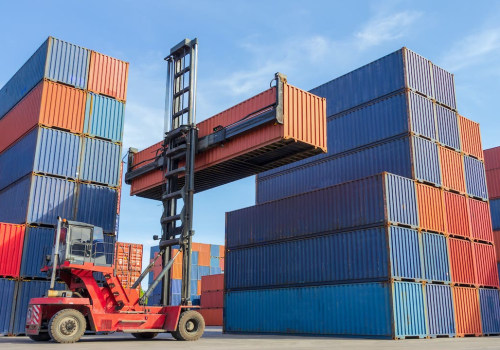
Construction projects operate on tightly coordinated schedules where delays can quickly escalate costs and disrupt multiple phases of development. From foundational materials to finishing fixtures, each component must arrive on-site at the right time to keep crews productive and prevent idle labor. Efficient freight shipping plays a central role in maintaining this flow. Reliable transportation networks ensure that steel beams, concrete supplies, lumber, mechanical systems, and specialized equipment reach job sites without unnecessary interruptions. When freight operations are streamlined and well-coordinated, contractors can adhere more closely to project timelines and reduce costly setbacks.
Delays often occur when shipments arrive out of sequence or when materials are stuck in transit due to logistical inefficiencies. Proactive coordination between suppliers, freight carriers, and project managers helps mitigate these risks. Real-time tracking systems and advanced scheduling software allow teams to monitor shipments closely, anticipate potential disruptions, and adjust workflows accordingly.
Coordinating Delivery and On-Site Operations
Beyond timely delivery, construction sites require organized staging and waste management to function efficiently. Materials must be stored safely and accessed easily, while debris must be removed promptly to maintain a safe working environment. Congested job sites can slow productivity and increase the risk of accidents.
This is where integrated logistics planning becomes essential. Alongside efficient freight shipping, contractors often rely on local waste solutions such as dumpster rentals in Locust Grove, GA to keep sites organized. By placing containers strategically on-site, teams can dispose of construction debris immediately rather than allowing waste to accumulate. Regular pickup schedules aligned with material deliveries ensure that the site remains clear and ready for the next phase of work.
Enhancing Supply Chain Visibility and Flexibility
Modern freight shipping strategies emphasize transparency and adaptability. Digital tracking platforms provide visibility into shipment progress, allowing project managers to anticipate arrival times and adjust labor schedules accordingly. If a shipment is delayed, alternative sourcing or rescheduling can be implemented proactively rather than reactively.
Diversifying freight methods also reduces vulnerability to single-point disruptions. Combining trucking, rail, or regional distribution hubs increases flexibility and helps maintain continuity even during fuel price fluctuations or traffic congestion. Efficient communication among suppliers, carriers, and site supervisors strengthens this coordinated approach.
Minimizing Downtime and Financial Impact
Every day of delay on a construction project can lead to financial strain, including labor costs, equipment rental fees, and contractual penalties. Efficient freight shipping minimizes these risks by keeping materials flowing steadily. When deliveries align precisely with construction milestones, crews can move seamlessly from one phase to the next without interruption.
Moreover, well-organized waste management complements efficient shipping by preventing clutter and maintaining safe working conditions. Clear pathways and properly staged materials reduce downtime and improve overall productivity.
Ultimately, reducing delays in construction projects requires a holistic logistics strategy that integrates efficient freight shipping with organized on-site management. By prioritizing timely deliveries, leveraging technology for supply chain visibility, and coordinating debris removal effectively, contractors can maintain momentum and deliver projects on schedule while controlling costs and ensuring operational efficiency.