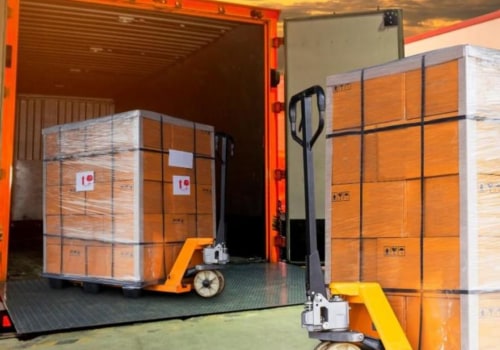
Modern businesses depend heavily on efficient freight transportation to keep products moving through supply chains and into the hands of customers. Whether goods are transported by truck, rail, air, or sea, timely shipping plays a critical role in maintaining inventory levels, meeting customer expectations, and supporting overall business operations. However, freight shipping delays and disruptions have become increasingly common due to factors such as severe weather, labor shortages, port congestion, equipment availability issues, fuel cost fluctuations, and global supply chain challenges. When shipments fail to arrive on schedule or inventory arrives earlier than expected, businesses can find themselves facing significant logistical complications. One often-overlooked solution that can help companies manage these challenges is self storage. By providing flexible and secure space for inventory, supplies, and equipment, self storage facilities can serve as valuable resources during periods of shipping uncertainty.
Creating Flexibility During Inventory Fluctuations
One of the biggest impacts of freight disruptions is unpredictable inventory flow. Delayed shipments can leave businesses waiting for critical products, while sudden deliveries may create storage challenges if inventory arrives all at once. Self storage provides a practical buffer that allows organizations to adjust to these fluctuations more effectively. Instead of overcrowding warehouses, retail locations, or office spaces, businesses can temporarily store excess inventory until it is needed. This flexibility helps maintain organized operations and prevents valuable workspace from becoming overwhelmed by unexpected stock levels. During periods of supply chain instability, having access to additional storage capacity can make it easier to respond to changing circumstances without making major operational adjustments.
Supporting Business Continuity During Delays
Freight delays can affect more than just inventory levels. They can disrupt production schedules, delay customer orders, and impact overall business performance. Companies that maintain reserve inventory often have a better chance of navigating these disruptions successfully. Self storage can support this strategy by providing a secure location for backup stock and critical supplies. Rather than relying solely on just-in-time inventory systems, businesses can maintain a safety buffer that helps reduce the effects of transportation delays. This approach can be especially valuable for retailers, contractors, manufacturers, and service providers that depend on consistent access to materials and products. Having reserve inventory stored off-site can help organizations continue operating even when freight schedules become unpredictable.
Managing Seasonal and Unexpected Shipping Surges
Freight disruptions are not always caused by delays. Sometimes businesses encounter the opposite problem when multiple shipments arrive within a short period due to schedule adjustments or seasonal demand. Peak sales periods, holiday inventory deliveries, and promotional campaigns can create temporary storage challenges that existing facilities are not equipped to handle. Self storage offers a scalable solution that allows businesses to expand storage capacity when needed without committing to permanent warehouse expansions. Many organizations explore resources such as https://yukonselfstorage.com/ when evaluating temporary storage options that can help accommodate fluctuating inventory requirements. This flexibility enables companies to manage both shipping delays and unexpected surges more efficiently.
Protecting Valuable Goods and Equipment
Security remains a major concern whenever inventory must be stored outside of traditional warehouse environments. Professional self storage facilities often provide features such as gated access, surveillance systems, individual unit security, and climate-controlled environments. These protections can help safeguard products, equipment, documents, and supplies while businesses work through freight-related challenges. For organizations dealing with high-value inventory or sensitive materials, secure storage can provide additional peace of mind during periods of uncertainty.
A Practical Tool for Supply Chain Resilience
As freight shipping networks become increasingly complex, businesses must develop strategies that allow them to remain adaptable when disruptions occur. Self storage offers a practical and cost-effective solution that supports inventory management, business continuity, and operational flexibility. By providing additional space during periods of shipping uncertainty, storage facilities help businesses maintain control over inventory while reducing the impact of delays, congestion, and fluctuating delivery schedules. In an environment where supply chain disruptions can occur unexpectedly, self storage continues to serve as a valuable resource for organizations seeking greater resilience and preparedness.