Managing seasonal inventory requires careful coordination between purchasing, transportation, warehousing, and customer demand. Businesses that experience significant fluctuations during holidays, weather changes, promotional periods, or industry-specific peak seasons need to prepare well before products begin moving through the supply chain. Forecasting is one of the most important first steps. Companies can review sales data from previous years, current market conditions, customer trends, and planned promotions to estimate how much inventory may be required. Accurate forecasting can reduce the risk of ordering too much stock while also helping businesses avoid shortages during periods of high demand. Once expected volumes are established, freight shipping schedules can be planned around when products are most likely to be needed.
Scheduling Shipments in Advance
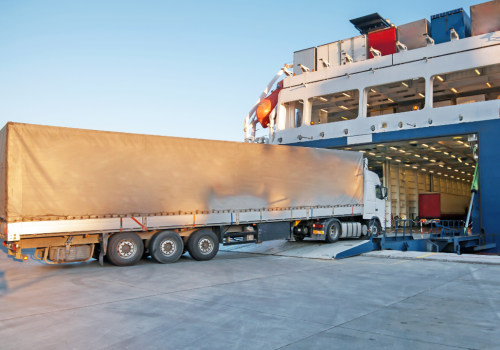
Seasonal freight often competes for limited transportation capacity, particularly during busy retail and shipping periods. Booking transportation early can help businesses secure appropriate carriers, routes, and delivery windows before demand increases. Companies should consider whether full truckload, less-than-truckload, rail, ocean freight, or air cargo best matches the size, urgency, and destination of each shipment. Staggering deliveries can also prevent large amounts of inventory from arriving at the same time. Instead of receiving an entire season's stock at once, businesses may schedule smaller shipments based on expected sales patterns, allowing warehouse teams to manage space more efficiently.
Using Flexible Space for Overflow Inventory
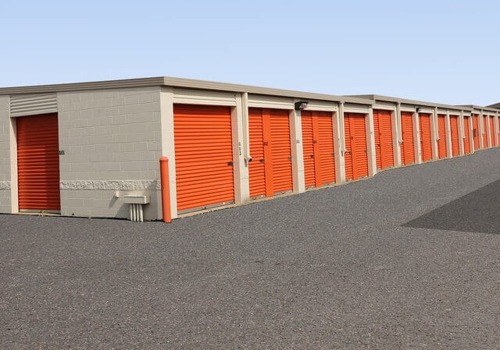
Even with careful forecasting, seasonal products can temporarily exceed normal warehouse capacity. Flexible storage arrangements can provide additional room without requiring a business to permanently expand its facilities. Products can remain in an overflow location until retail stores, fulfillment centers, project sites, or customers are ready to receive them. Companies experiencing an unexpected increase in shipments may decide to rent now to create additional capacity while maintaining access to their primary operational areas. This approach can be especially useful for holiday merchandise, outdoor equipment, promotional materials, or products that only generate high demand during certain months.
Organizing Freight by Priority
Seasonal inventory should be arranged according to when products are expected to move. High-demand merchandise should remain accessible so employees can retrieve and distribute it quickly. Products intended for later in the season can be positioned farther away until they are needed. Clear labels, pallet numbers, barcode systems, and digital inventory records can help teams identify goods without repeatedly moving cartons or opening containers. Organizing freight by destination, customer, product category, or delivery date can also simplify outbound transportation and reduce handling time.
Preparing for Shipping Delays
Weather conditions, carrier shortages, port congestion, traffic, and manufacturing disruptions can affect seasonal freight schedules. Businesses should build reasonable flexibility into their transportation plans rather than relying on a single delivery date. Maintaining safety stock for high-demand products can provide additional protection when incoming shipments are delayed. Communication with carriers and suppliers is equally important because early notice of a potential disruption gives businesses more time to adjust orders, reroute freight, or prioritize available inventory.
Reviewing Inventory Throughout the Season
Seasonal inventory management should continue after products arrive. Businesses can regularly compare actual sales with forecasts to determine whether future shipments need to be accelerated, delayed, reduced, or redirected. Slow-moving products may require promotions, transfers to other locations, or longer-term holding arrangements, while fast-selling items may need replenishment sooner than expected.
Building a More Adaptable Freight Strategy
Effective seasonal inventory management depends on connecting freight transportation with flexible space and accurate inventory data. Forecasting demand, scheduling shipments early, maintaining organized overflow space, and monitoring sales throughout the season can help businesses respond to changing conditions. By creating a transportation strategy that can adapt to fluctuations, companies can reduce congestion, improve product availability, and keep seasonal inventory moving efficiently from suppliers to customers.