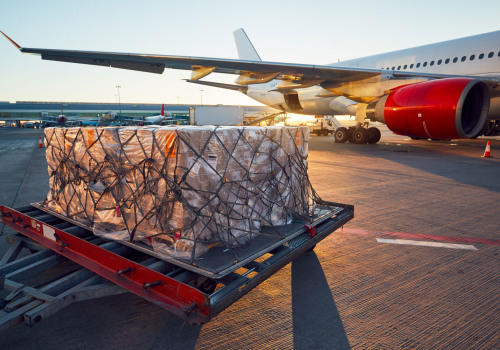
Freight transportation companies depend on reliable commercial vehicles to deliver goods safely and within scheduled timelines. Trucks frequently operate under demanding conditions involving heavy cargo loads, extended driving hours, and unpredictable road conditions. Without consistent maintenance, mechanical problems can disrupt deliveries, increase operating expenses, and compromise driver safety. Preventive fleet maintenance helps transportation businesses identify potential issues before they develop into serious failures. By implementing regular inspections, timely servicing, and organized maintenance schedules, fleet managers can improve vehicle reliability while supporting efficient logistics operations.
Preventing Unexpected Mechanical Breakdowns
One of the primary benefits of preventive fleet maintenance is reducing unexpected vehicle breakdowns. Commercial trucks experience substantial mechanical stress, particularly when transporting heavy shipments over long distances.
Routine inspections help identify worn tires, faulty brakes, fluid leaks, and deteriorating engine components. Addressing these problems early prevents minor concerns from becoming expensive repairs.
Following manufacturer-recommended maintenance schedules also helps extend vehicle lifespan and maintain consistent operating performance.
Supporting Emergency Roadside Preparedness
Even properly maintained freight vehicles can experience unexpected mechanical difficulties. Tire blowouts, battery failures, overheating, and electrical malfunctions may interrupt deliveries without warning.
Reliable assistance providers such as Road Angel Towing and Roadside Service can offer valuable support during roadside emergencies. Fleet managers should verify that their selected providers have suitable equipment and experience handling commercial trucks.
Establishing emergency response procedures helps drivers obtain professional assistance and minimize unnecessary transportation delays.
Improving Driver Safety and Cargo Protection
Vehicle maintenance plays an essential role in protecting commercial drivers and transported goods. Defective braking systems, worn tires, and suspension problems can increase accident risks, particularly when trucks carry substantial loads.
Regular inspections help ensure that essential mechanical components function correctly.
Proper cargo securement, balanced loading, and trailer inspections further support safer transportation and reduce potential shipment damage.
Maintaining Consistent Delivery Schedules
Freight deliveries often involve strict schedules coordinated with warehouses, distribution centers, and customers. Unexpected breakdowns can create delays that affect multiple supply chain activities.
Preventive maintenance allows fleet operators to schedule repairs during planned service periods rather than responding to sudden emergencies.
Digital fleet management systems can help monitor maintenance histories, vehicle mileage, and upcoming service requirements.
Reducing Operating Costs and Improving Efficiency
Consistent servicing helps businesses control expenses associated with emergency repairs, fuel consumption, and premature component replacement.
Maintaining proper tire pressure, engine performance, and fluid levels can improve operating efficiency while reducing unnecessary mechanical wear.
Accurate maintenance records also support better fleet management decisions.
Strengthening Customer Confidence Through Reliable Deliveries
Customers expect freight transportation companies to deliver shipments safely and punctually. Dependable vehicles demonstrate professionalism and commitment to service quality.
By prioritizing preventive maintenance, transportation providers can reduce disruptions and maintain stronger customer relationships.
Building Long-Term Fleet Reliability
Preventive fleet maintenance supports safer transportation, dependable scheduling, and efficient freight operations.
Ultimately, combining regular inspections, professional servicing, and emergency preparedness helps logistics companies protect their vehicles, reduce operating expenses, and deliver goods with greater consistency and confidence.